


Orin Swift: Art, Wine and a Different Kind of Napa Journey
A favorite bottle leads to a deeper exploration of label art, winemaking and the pleasure of giving St. Helena an unhurried afternoon.
THE PACIFIC44 JOURNAL · THE JOURNEY TO 60 AND BEYOND
By The Pacific44 Journal · Editorial Features
A favorite bottle leads to a deeper exploration of label art, winemaking and the pleasure of giving St. Helena an unhurried afternoon.
A wine label can be the first thing we remember about a bottle. It may be a photograph that makes us look twice, a name we want to ask about or an image that stays in the mind long after dinner. Orin Swift has built a distinctive identity around that encounter. Its artwork asks for attention before the wine has been poured.
For Pacific44, the producer is an inviting doorway into Napa Valley. Allen and Angie count Orin Swift among their favorite wines. This feature begins with that preference, then looks outward: what could a visit reveal about the bottle, its maker and the town around the tasting room? A familiar pleasure becomes the starting point for a more curious journey.
An interest in photography, design, food or the way someone builds a business can be enough. Wine country has room for the traveler who wants to understand one producer well and still have an afternoon left.
A name borrowed from family
Dave Phinney established Orin Swift in 1998. In the winery's account, a semester in Florence in 1996 helped awaken his interest in wine; a harvest job at Robert Mondavi followed in 1997. The brand name joined his father's middle name, Orin, with his mother's maiden name, Swift. It sounds like a person, but carries two family references.
That is an appealing origin for labels that often feel unconventional. Underneath the visual provocation sits a recognizable impulse: take something you have learned, put family history behind it and see whether it can become a lasting enterprise.
Phinney's timeline is candid about early experiments and trying again. His work on The Prisoner became an important part of his career, but that wine's label was subsequently sold. Visitors should distinguish that history from the current Orin Swift portfolio, rather than assume every wine associated with the founder belongs to the same business today.
For readers considering another chapter, the interesting lesson is the sequence. An encounter abroad became work, work became an experiment and the experiment developed into a creative practice. A change of direction can begin with paying closer attention to something you already enjoy.
Look at the art, then ask about the wine
A striking label can encourage a purchase; an enthusiast visit takes the conversation further. Ask why a particular image belongs to a particular wine. Does it connect to a person, an event or the winemaker's idea of the blend? The answer may reveal how the producer wants the bottle to be encountered, even when the image is not a literal picture of a vineyard.
Then give the contents their own questions. A label's intensity does not establish grape variety, origin or age. Ask which grapes were included, where they were grown and what the team was trying to achieve in the blend. Check the information for the vintage being poured; a familiar name does not mean each year's composition is identical.
Papillon offers a concrete example. Orin Swift describes it as a Napa Valley Bordeaux-style blend drawing on Cabernet Sauvignon, Merlot, Cabernet Franc, Malbec and Petit Verdot. Instead of trying to identify each grape by taste, ask what each contributes and why the winemaker wanted them together.
The winery's descriptions are the maker's account, not Pacific44's tasting verdict. Your own impression may be a texture, a fruit memory or the thought that one wine would suit a particular dinner. Ordinary language is welcome. The most productive question often begins with what you actually notice.
A historic bank, used for another kind of exchange
The tasting room is at 1321 Main Street in downtown St. Helena, in a historic bank building. This is an urban wine experience, distinct from an outing built around walking through vines. Knowing the setting before you book helps match the visit to your expectations.
The current program offers Rock, Paper, The Vault and Scissors. Rock is a shorter standing introduction. Paper is a longer seated exploration connecting wines with their creative stories. The Vault focuses on library selections or aged magnums; Scissors is a private experience centered on limited-production wines.
Those differences matter more than choosing the most expensive option. A first-time visitor may value an introduction and a leisurely lunch afterward. Someone familiar with the wines may prefer a deeper comparison. Anyone who wants to sit should ask about the exact arrangement when reserving.
The winery currently lists opening from 10 a.m. to 5 p.m., with different availability for individual formats and holiday closures. Book from the current calendar and confirm selection, duration and price directly. Give the appointment enough time on either side to keep it enjoyable.
Give the town an afternoon
A downtown tasting room invites an itinerary organized around a place: lunch, a browse through shops and a walk that lets the streets become familiar. Practical details still matter. A hotel described as being in wine country is not necessarily within walking distance of this tasting room.
Choose lodging around the experience you want. A location convenient to dinner can be more valuable than amenities you will barely use. Arrange transport before tasting and keep driving separate from drinking. A companion who does not drink should have a day worth anticipating as well.
We would build a first visit around one Orin Swift appointment, a meal and an overnight if the wider trip permits. Additional wineries can be chosen later for a specific contrast. This is an editorial approach to planning, not a tested itinerary or a claim of firsthand hospitality.
There is pleasure in leaving time unbooked. Discuss which image you would hang on a wall, which wine surprised you and what the staff explained particularly well. Packing in another tasting can erase the chance to remember the first.
The wine enthusiast and the art enthusiast may find different parts of the same visit compelling. That can make the experience especially useful for a couple. Neither person has to become a specialist in the other's interest to share an enjoyable afternoon.
Carry the experience home
A souvenir need not be the rarest bottle. Choose something you want to open. Record the vintage and why it interested you, so the memory remains attached to the wine. Ask about appropriate storage and when the producer suggests enjoying that particular release.
Think about the occasion it might accompany. A dinner with friends can become a chance to describe the bank building, the label and something learned about the blend. You may instead leave with better questions to ask at your local wine shop. Both are worthwhile outcomes.
Before joining a wine club, read the commitment, shipment schedule, cancellation terms and total cost. A wonderful afternoon need not become a recurring purchase unless that arrangement suits how you actually drink and entertain. Enthusiasm can remain thoughtful.
The Journey to 60 and Beyond includes becoming more particular about what we enjoy. A familiar favorite can develop depth. At Orin Swift, the artwork gets us to look, the wine gives us something to investigate and St. Helena offers a reason to stay.
A new chapter sometimes begins by following a bottle back toward its maker and discovering that the interest is larger than the bottle itself.
Sources & planning
The Orin Swift story · Tastings and reservations · Papillon
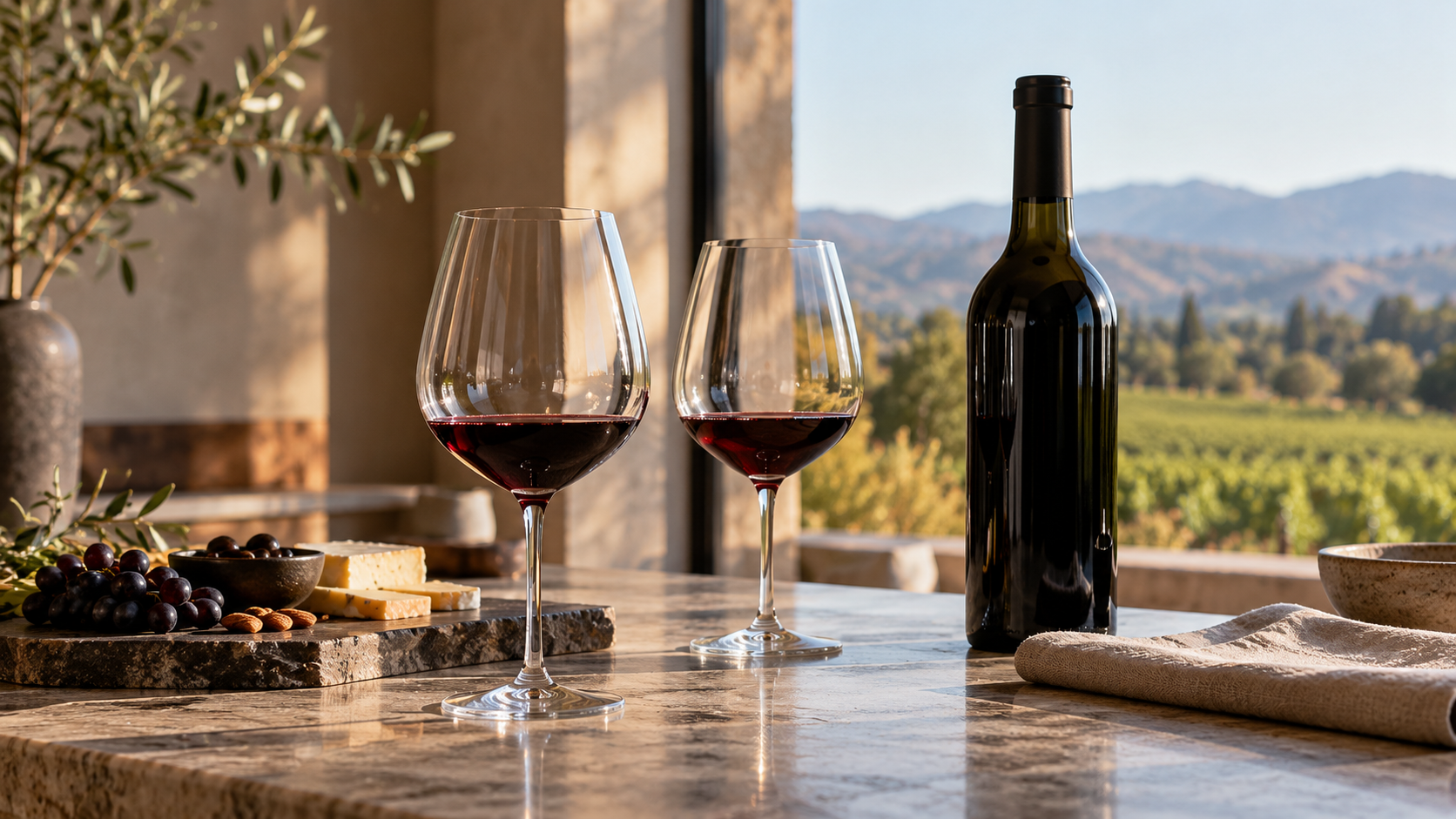
Researched Pacific44 magazine feature; no firsthand visit, interview or product review is implied. The opening image is an AI-generated editorial illustration, not a photograph of the named business or destination. Information checked October 12, 2026; confirm current arrangements directly.
Image
Gallery.


Join the Journey!
Stories, places, music, ideas & inspiration for the journey to 60 and beyond — delivered from Pacific44.

Explore
Related posts.

Follow the
Journey.
@pacific44_lifestyle