


Studio Sessions: Stairway to Heaven — The Brilliance Behind the Music
Jimmy Page, Heart and the Songs We Carry
I’ve spent quite a bit of time working on this story because I wanted to do the music justice. I wanted to look closely at what Jimmy Page and the band were trying to create, how each part of the song fits together, and why it still has such a hold on so many of us.
My hope is that you’ll read the story, then settle in with Jimmy Page’s interview and the performances. Looking closely at the music has deepened my appreciation for it. I hope it does the same for you.
I chose this for Sunday’s Studio Sessions because watching Jimmy Page sit with this record is a pleasure all its own.
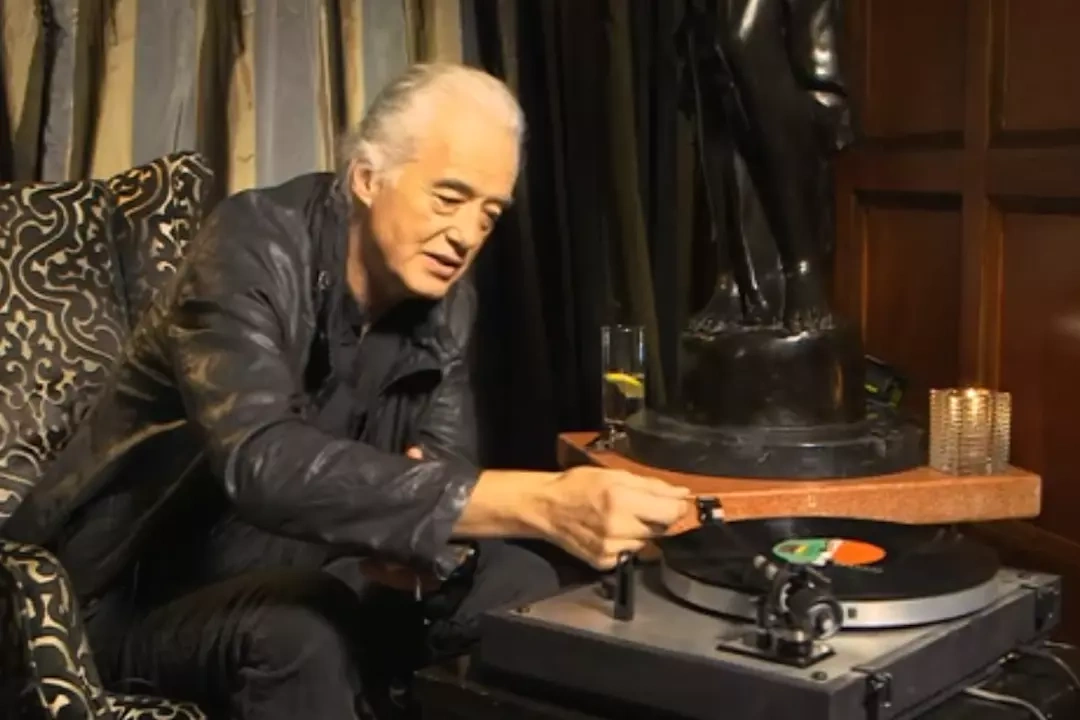
There is a drink beside him, a turntable within reach and the album in his hands. He leans toward the record player and lets the music begin. The setting is simple enough to feel familiar to anybody who has brought an album home, settled into a chair and made listening the whole point of the evening.
Except the man sitting here is Jimmy Page. And the record is Led Zeppelin IV.
That is what makes this video so cool. We get to listen with someone who knows what went into the music. He can hear a passage that we have loved for years and take us back to the decisions behind it. You are listening to the record; he is remembering the people who made it with him.
Jimmy Page does not need to fill every second with talk. The music has room to play. We have room to notice him listening. His attention is part of the appeal: decades later, the work still holds him.
The large player above holds BBC News’s complete archival interview, published October 10, 2014. Heart’s tribute and Led Zeppelin’s original studio recording are available in the listening card.
Start quietly. Give the music somewhere to go.
Led Zeppelin’s four members each brought something essential: Jimmy Page on guitar, Robert Plant on vocals, John Paul Jones on bass and keyboards, and John Bonham on drums.
Jimmy Page describes an exposed acoustic opening and a composition that would keep gaining layers, moods and momentum. John Paul Jones suggested the recorders; Jimmy Page had initially imagined electric piano.
Listen to the effect. The opening feels delicate, with each guitar note having space around it. John Paul Jones’s layered recorders weave around the acoustic guitar, giving the opening a medieval, almost storybook sound. There is no rush to arrive at the loudest part of the record. The song earns that arrival.
As the textures change, you can feel the room inside the music getting larger. The restraint at the beginning makes the later force more affecting. Playing everything at full power from the first bar would give us a different experience entirely.
Headley Grange: the people inside the song
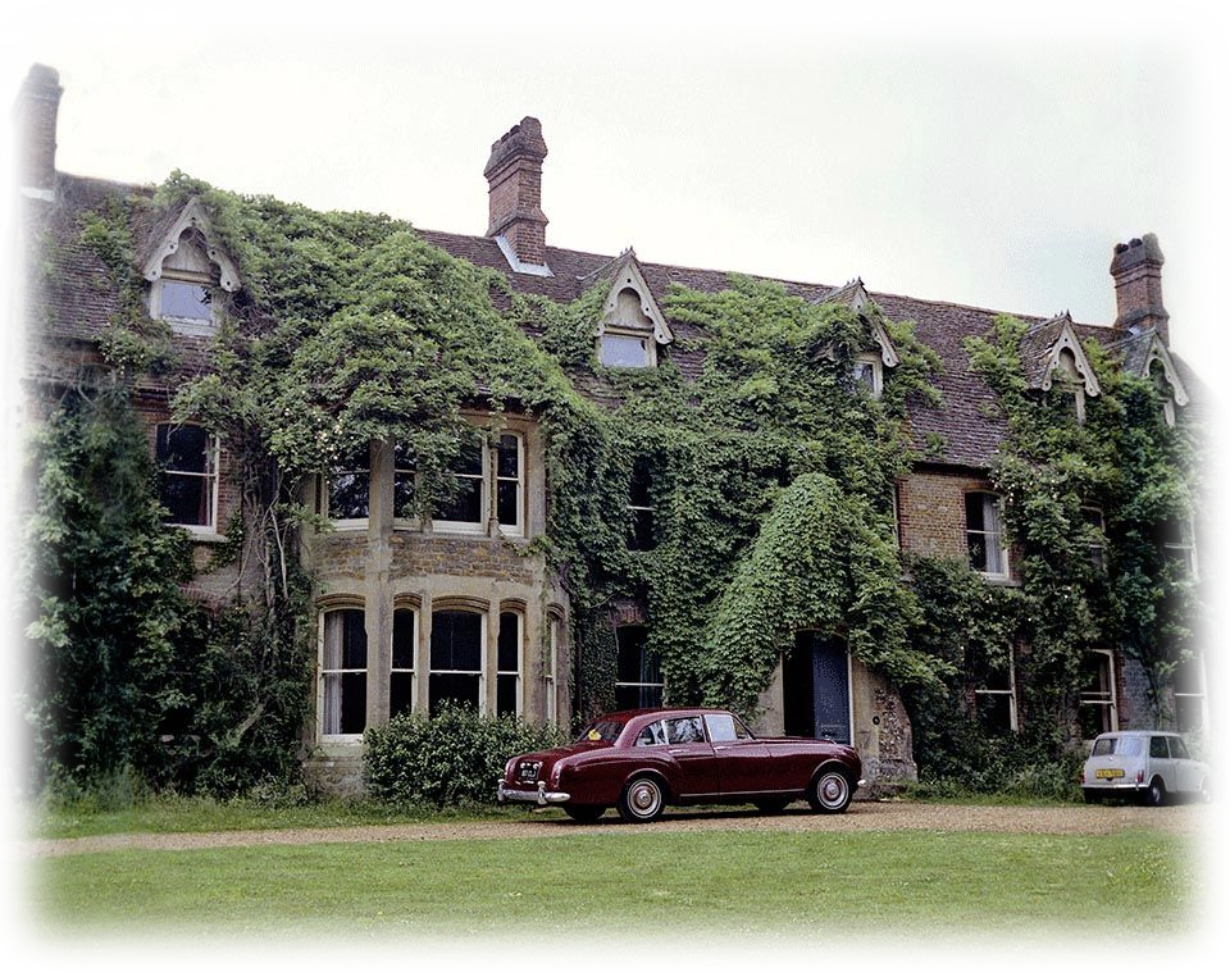
Jimmy Page places its development at Headley Grange, where the band lived and worked together. He recalls Robert Plant sitting against a wall writing, then joining a run-through with roughly 90 percent of the lyrics ready.
That image gives the story its intimacy. Before the song belonged to radio stations, record collections and audiences around the world, there was a man with something to write and musicians working through a demanding piece of music together.
Jimmy Page’s admiration for Robert Plant comes through warmly. The account makes room for the singer’s contribution, just as it makes room for John Paul Jones’s instrumental imagination. This is a creator explaining his design while recognizing what his bandmates brought to it.
The power of making John Bonham wait
John Bonham’s delayed entrance was intentional. Jimmy Page understood how effective the drummer could be when he arrived later.
Think about what that asks of a rock band with a drummer like John Bonham. Let the opening breathe. Let the listener settle into the voice and guitars. Hold that enormous resource in reserve.
Then listen to the weight change when the drums enter. The song seems to acquire a different physical presence. There is something thrilling about hearing power arrive after we have been given time to anticipate it.
Breaking the rule about speeding up
Jimmy Page explains that his studio training discouraged speeding up. Here, he deliberately wanted a subtle acceleration alongside the growing musical and lyrical intensity.
The distinction matters: increasing the volume and increasing the pace are different choices. “Stairway” gives us a sense of forward motion as well as greater force. By the final stretch, we have traveled a considerable distance from that exposed guitar at the start.
The Library of Congress’s historical essay also describes Jimmy Page’s willingness to let the tempo move, provided the musicians stayed together. The result is a band carrying the progression collectively, with the performance retaining its human movement.
Timeless genius is hearing something you know by heart—and still finding yourself amazed by it.
A fan’s invitation: listen for the changes
A YouTube listener mapped the original recording into six stages. I love the idea of following those changes as you listen: a quiet, mysterious beginning gradually becomes something with an entirely different weight and force, before the instruments fall away for the closing vocal.
- 0:01 — A mysterious opening. The acoustic guitar and John Paul Jones’s layered recorders establish the atmosphere, giving the music its medieval character.
- 0:53 — Folk and blues colors. The listener hears the early section settling into its storytelling character.
- 4:18 — The rock section. The arrangement takes on greater rhythmic weight.
- 5:34 — The guitar solo. Jimmy Page’s electric guitar moves to the foreground.
- 6:44 — Hard-rock intensity. The performance reaches its driving final stretch.
- 7:45 — The quiet farewell. The force recedes toward Robert Plant’s exposed closing vocal.
That is six listening landmarks, with five transitions between them, across roughly eight minutes. These are the fan’s approximate timestamps and interpretations, rather than official section boundaries or six separate genres. Timing can vary slightly by upload, and the music often changes gradually rather than at a single instant.
Try following the progression in the original studio recording in the listening card. Which transition changes the song most for you?
The solo belongs to the whole journey
Jimmy Page describes a fanfare-like transition into the solo and the final vocal climax. Near the interview’s end, he connects the recording’s longevity with the musicians’ honesty and conviction.
That is a wonderful thought to leave with a listener. Technical achievement gives us plenty to admire. Conviction gives us something to feel.
The solo carries the force of everything that has preceded it: the delicate start, the changing textures, the voice, the drums and the gathering momentum. It is easy to single out that famous passage. Hearing Jimmy Page discuss the complete design reminds us why the passage lands so powerfully.
Then Heart gave it another life
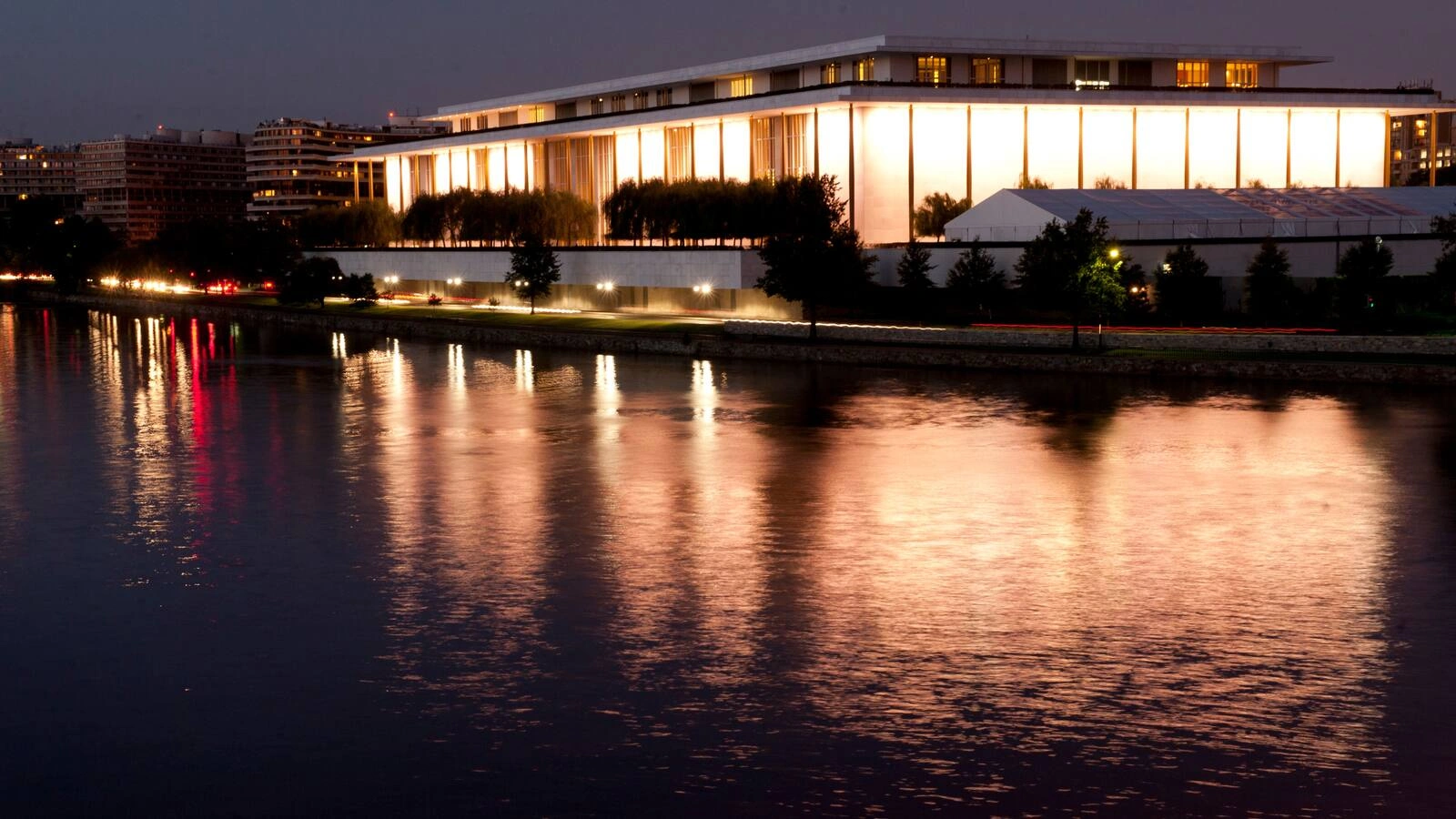
The second part of this Sunday’s selection is Heart’s extraordinary rendition with Jason Bonham at the 2012 Kennedy Center Honors.
One detail is worth getting right: this was a tribute honoring Led Zeppelin at the Kennedy Center, rather than the band’s Rock & Roll Hall of Fame induction. The gala took place on December 2, 2012, and the television broadcast followed on December 26.
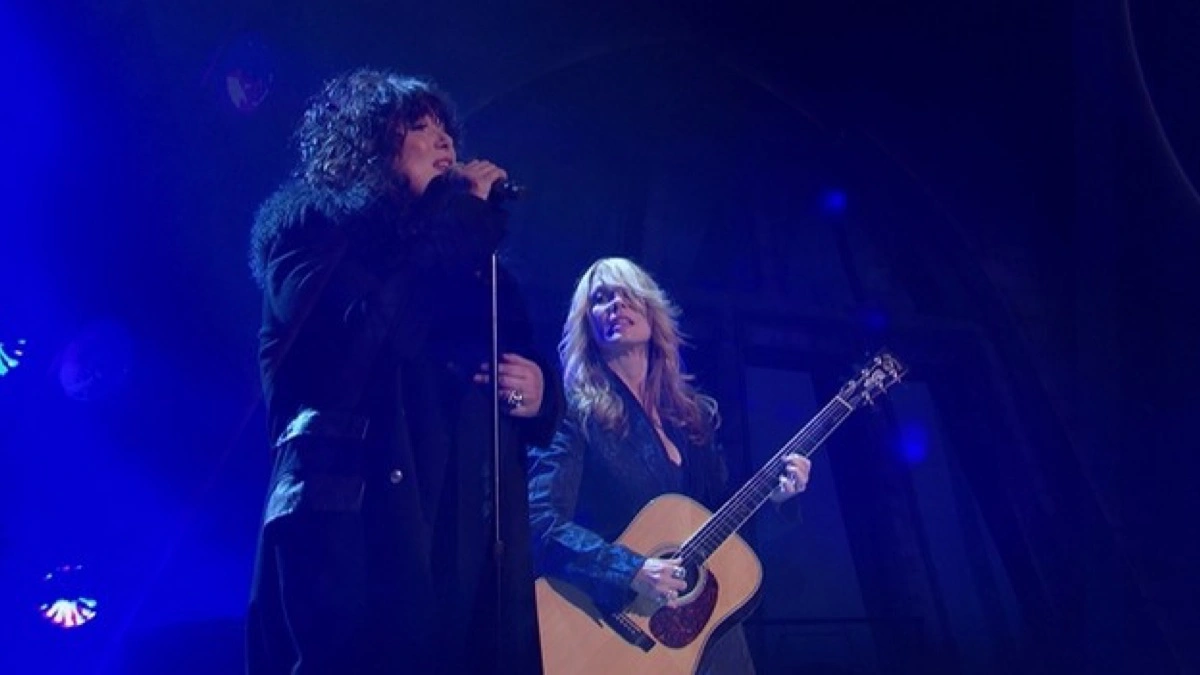
Ann Wilson and Nancy Wilson closed the evening with “Stairway to Heaven.” Jason Bonham, John Bonham’s son, played drums. That connection adds a powerful dimension to a performance already carrying so much history.
Nancy Wilson’s acoustic opening makes room for Ann Wilson’s voice. As the arrangement grows, the ensemble and choir give the final stretch its enormous lift. The camera returns to Jimmy Page, Robert Plant and John Paul Jones watching from the audience. Part of the experience is seeing the song’s creators receive their own work through somebody else’s interpretation.
On Heart’s official website after the event, Ann Wilson wrote about wanting to please those three musicians, particularly Robert Plant, whose singing and lyrics had meant so much to her. That context makes the performance even more affecting: this is a musician offering something back to artists who helped shape her.
Listen to Heart first if you want the tribute’s emotional sweep. Then switch to Led Zeppelin’s original recording and hear the different space, pacing and texture. These are two distinct ways of experiencing the same composition.
Shane Fontayne: playing the solo with Jimmy Page watching
Lead guitarist Shane Fontayne deserves his own moment of recognition. A member of the Kennedy Center Honors house band, he played the electric-guitar solo in Heart’s tribute, with Jimmy Page—the musician who created the original—watching from the balcony.
For me, Jimmy Page belongs among rock’s greatest guitarists. Imagine the responsibility of taking that solo into a room where he is sitting. Shane Fontayne’s contribution deserves real admiration: he carries a defining passage of the song while helping the whole tribute keep its momentum.
His preparation adds another dimension. In an April 2025 interview with Guitar World, Shane Fontayne explained that he studied the recorded solo and aimed to preserve its character while allowing his own playing to come through. He also recalled that he only fully appreciated the solo’s iconic standing after seeing the audience comments afterward.
What I admire is Shane Fontayne’s musical judgment: recognizing what listeners cherish in Jimmy Page’s original and delivering it with conviction as part of this extraordinary ensemble.
The bowler hats: John Bonham was part of the tribute, too
The late John Bonham, Led Zeppelin’s original drummer, died on September 25, 1980, at just 32. Led Zeppelin disbanded later that year. More than three decades had passed by the time of the Kennedy Center tribute, but his absence was still part of the band’s story.
Jason Bonham’s involvement gave that history a living presence onstage. He was an accomplished drummer who had already performed with Jimmy Page, Robert Plant and John Paul Jones at their 2007 reunion concert in London. For this tribute, he joined Ann Wilson and Nancy Wilson of Heart at the drum kit—the musical role his father had filled on the original recording. In a 2013 interview with Rock Cellar, Jason Bonham recalled that the Kennedy Center had approached him to surprise the three surviving members.
For me, that makes his contribution especially moving: a son bringing his own musicianship to a song his father helped create, while his father’s bandmates watched from the balcony.
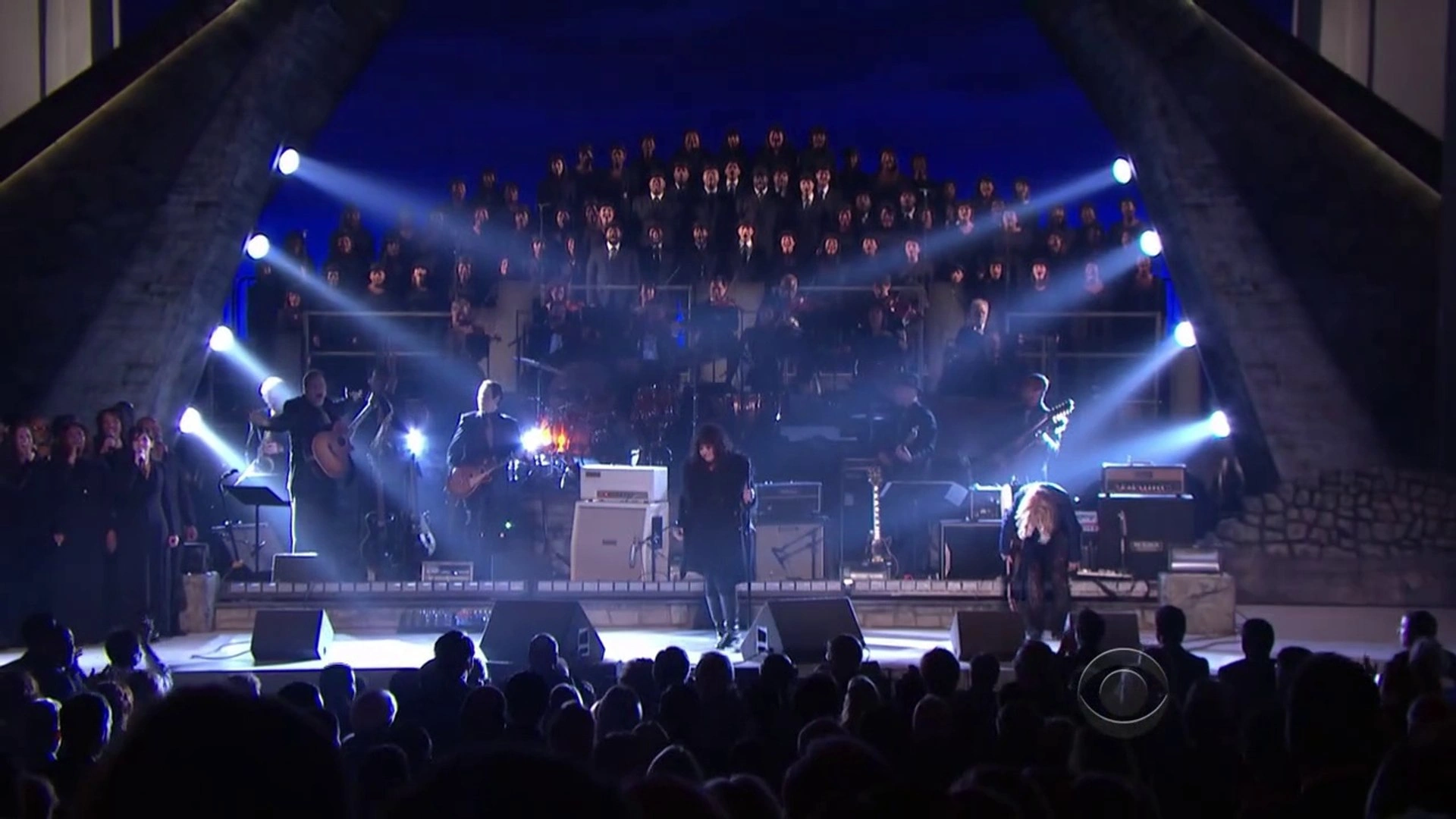
Watch the choir as the performance opens into its final, soaring stretch. Those black bowler hats—also called derby hats—carry a meaning of their own: a tribute to John Bonham, whose familiar hat became a visual link between his son at the drums and the choir behind Heart.
That detail makes this more than a spectacular arrangement. Alongside the voices, orchestra and Heart’s performance is a visible acknowledgment of the bandmate who could not be there. For me, it gives the moment another layer of feeling. The music celebrates the people who made it—and makes room for someone they lost.
Led Zeppelin’s official event archive records the bowler-hatted choir and Jason Bonham’s place at the drums.
A tribute that deserves an honor of its own
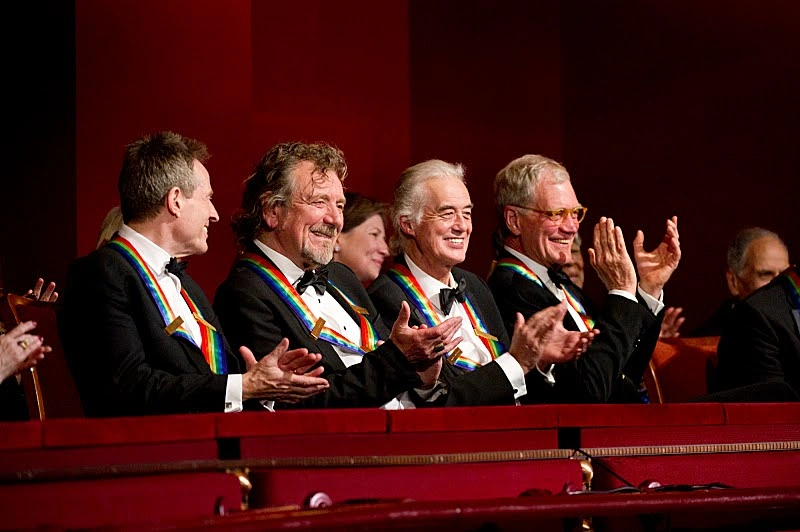
For me, Heart’s “Stairway to Heaven” belongs among the greatest musical tributes ever performed. It deserves to be celebrated in its own right. Ann Wilson and Nancy Wilson do something extraordinary here: they honor the original while giving the room an experience that belongs to this particular night.
Watch the reactions as closely as you listen to the music. Jimmy Page’s smile, Robert Plant welling up, John Paul Jones watching from the balcony and the audience rising at the finish are part of what makes it so powerfully inspiring. These are artists seeing their work loved, understood and carried forward.
It was a star-studded evening celebrating extraordinary contributions to the arts. Yet the power of Heart’s performance reaches far beyond that room. Watching from home, you can feel the affection, the history and the sheer joy of musicians honoring one another.
A song can belong to one generation’s memories and still become another generation’s discovery.
That is part of the lasting power of “Stairway.” Someone who first heard it on an LP and someone discovering it through Heart’s performance can arrive at the same moment of amazement. A parent can share it with a child; a grandparent can watch with a grandchild. They do not have to remember the same decade to recognize something remarkable.
Heart remembers the night—with Dan Rather
Before the curtain: two sisters and their skull rings
One small detail makes the size of that night even more real. In their conversation with Dan Rather, Nancy Wilson recalls the nerves returning just before they went onstage. She and Ann Wilson looked at each other and bumped their skull rings together—a familiar gesture to give themselves strength—then took a breath and went out to perform.
I love that detail. After all those years onstage, they still needed that moment together. Two sisters, a little reassurance and then the courage to step out and do something extraordinary.

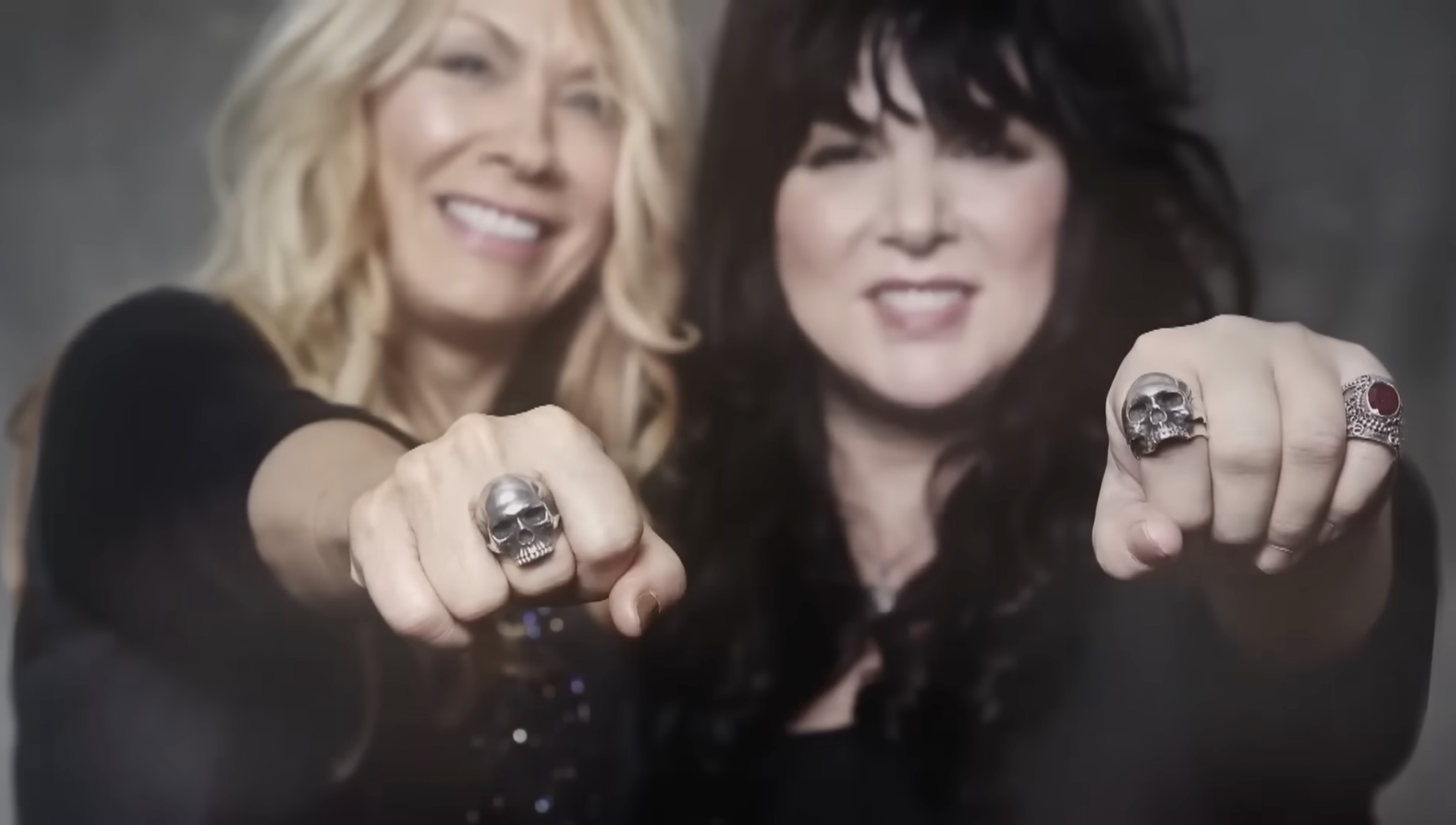
The selected Dan Rather interview below includes that backstage recollection and Nancy Wilson’s thoughts on Jason Bonham and the generations of their musical family coming together.
Ann Wilson’s recollection brings us closer to the experience onstage. In her April 2013 interview with Rock Cellar, she remembers the warmth of seeing Led Zeppelin honored so sincerely. Then she describes turning toward the choir: the John Bonham bowler hats, Jason Bonham at the drums and all those voices rising together.
She connects that sound to her own days singing in a high school choir. The memory gives this enormous production a wonderfully human scale. A singer who had filled arenas could still feel the thrill of standing among a great group of voices. She remembers the sound giving her chills.
WATCH · Ann Wilson and Nancy Wilson with Dan Rather · AXS TV’s The Big Interview, archival 2015 episode. Selected “Stairway to Heaven” discussion: 0:15–4:28. Playback stops before the conversation moves to their 1980s career. Open original interview on YouTube ↗
The songs we bring with us
There is a lyric in “Stairway to Heaven” that gets right to the heart of why this song means so much to me:
“There’s a feeling I get when I look to the west and my spirit is crying for leaving.”
That is the essence of Pacific44 for me. That pull toward the West. The feeling that there is more to see, more to experience and a whole lot of life still ahead. It puts words to the desire to get out there and find out what comes next.
It is also why this song belongs alongside The Church’s “Under the Milky Way” on the soundtrack of my life. Both speak to that sense of wonder—the places we are drawn to and the possibilities we can still feel, even before we know where they will take us. That feeling has a place on the Journey to 60 & Beyond, too.
And then there is this line:
“As we wind on down the road, our shadows taller than our souls.”
I hear that differently at 57. We bring a lot with us down that road—the people we have loved, the decisions we have made, the losses and the good years. To me, those shadows are a reminder of how much life we have already lived. They can stretch a long way.
That is my own connection to the lyric. On the Journey to 60 & Beyond, I want to honor what brought us here and keep making plans worth getting excited about. There are still places to go, people to meet and songs waiting to become part of our story. I want us to enjoy the road we are on.
For one person, an opening guitar figure brings back a friend’s car. For another, it is a record collection, a room in a first apartment or someone who introduced them to music. Those memories belong to each listener. There is no need for all of us to have the same story.
What interests me is that we can return to a song without having to return to the person we were when we first heard it. We have more life behind us now. We hear different things. A performance that once impressed us for its power can move us for its patience, its restraint or the people sharing the stage.
Build the soundtrack for what comes next
Music has always been one of my favorite ways to connect—with a memory, with another person, or with something I can’t quite put into words. I appreciate the artistry across all kinds of music, and this song holds a special place for me. Watching Jimmy Page explain its beginnings, then hearing Heart honor it so beautifully, makes me love it even more.
So here’s my challenge to you on the Journey to 60 & Beyond: build your ultimate playlist. Make it wonderfully diverse. Include the songs you grew up with, the ones that got you through something, the ones that make you dance in the kitchen—and a few from artists you’re just discovering. Let rock sit beside soul, country beside jazz. Leave room to surprise yourself.
Then take that music with you. Play it on the drive somewhere new, share it with your kids and grandkids, or turn it up on an ordinary Sunday at home. Tell someone why a particular song matters to you. Ask them to add one of theirs.
We have so much living ahead of us. I hope this next phase brings you good company, a little adventure, and music that makes you excited to be right where you are.
Here’s to the songs we’ve carried this far—and the ones we haven’t fallen in love with yet.
Allen Robinson
Studio Sessions · The Pacific44 Journal
The Journey to 60 & Beyond
Watch, listen and explore
AXS TV: Heart remembers the Kennedy Center tribute with Dan Rather · Rock Cellar: The Heart of Ann Wilson, April 2, 2013.
BBC News: Jimmy Page explains how “Stairway to Heaven” was written · Archival interview, October 10, 2014.
Heart’s official account of the Kennedy Center tribute · Ann Wilson’s reflection on the performance.
Library of Congress: “Stairway to Heaven” historical essay by Mick Wall · The recording entered the National Recording Registry in 2023.
Led Zeppelin: complete studio recording, official audio. Videos remain hosted by their YouTube uploaders; availability and playback restrictions may vary.
Pacific44 narration · 19 min 37 sec
Image
Gallery.


Join the Journey!
Stories, places, music, ideas & inspiration for the journey to 60 and beyond — from Pacific44.

Explore
Related posts.

The Soundtrack of Our Journey
Some songs stay with us.
Others find us along the way.
Music, memories and the moments that keep the journey moving.
Explore Sunday Sounds & Smiles