

A River, a Rod and a Reason to Slow Down
On the journey to 60 and beyond, Oregon’s handmade rods and rivers offer a reason to learn something new—and make time for the next cast.
THE PACIFIC44 JOURNAL · THE SPORTING LIFE
Handmade rods, Oregon waters and the pleasure of learning something new.
On the Journey to 60 and beyond, it is worth asking what we would like to make time for. Perhaps there is a skill we have always wanted to learn, or a place we keep saying we will visit when things settle down. Fly fishing gives us a reason to put a morning on the calendar and try something unfamiliar. Oregon is a good place to begin, with rivers to explore and people who have spent years learning how to fish them.
In Sisters, Dave Dozer makes bamboo fly rods by hand. Before a finished rod reaches the water, he has selected the cane, shaped its pieces and fitted the parts together. There is a great deal of work in something that eventually rests so lightly in a person's hand. Look closely at how he builds one and the rod becomes as interesting as the fishing.
Dozer documented that work in a series of photographs published in 2013. The project was a hollow-built switch rod. His photographs follow the bamboo through splitting, heat treatment and rough shaping before he brings out the hand plane. Each strip is shaped to its final taper, hollowed in selected sections, then glued and bound with the others. A finished rod begins with a long series of small, careful decisions.
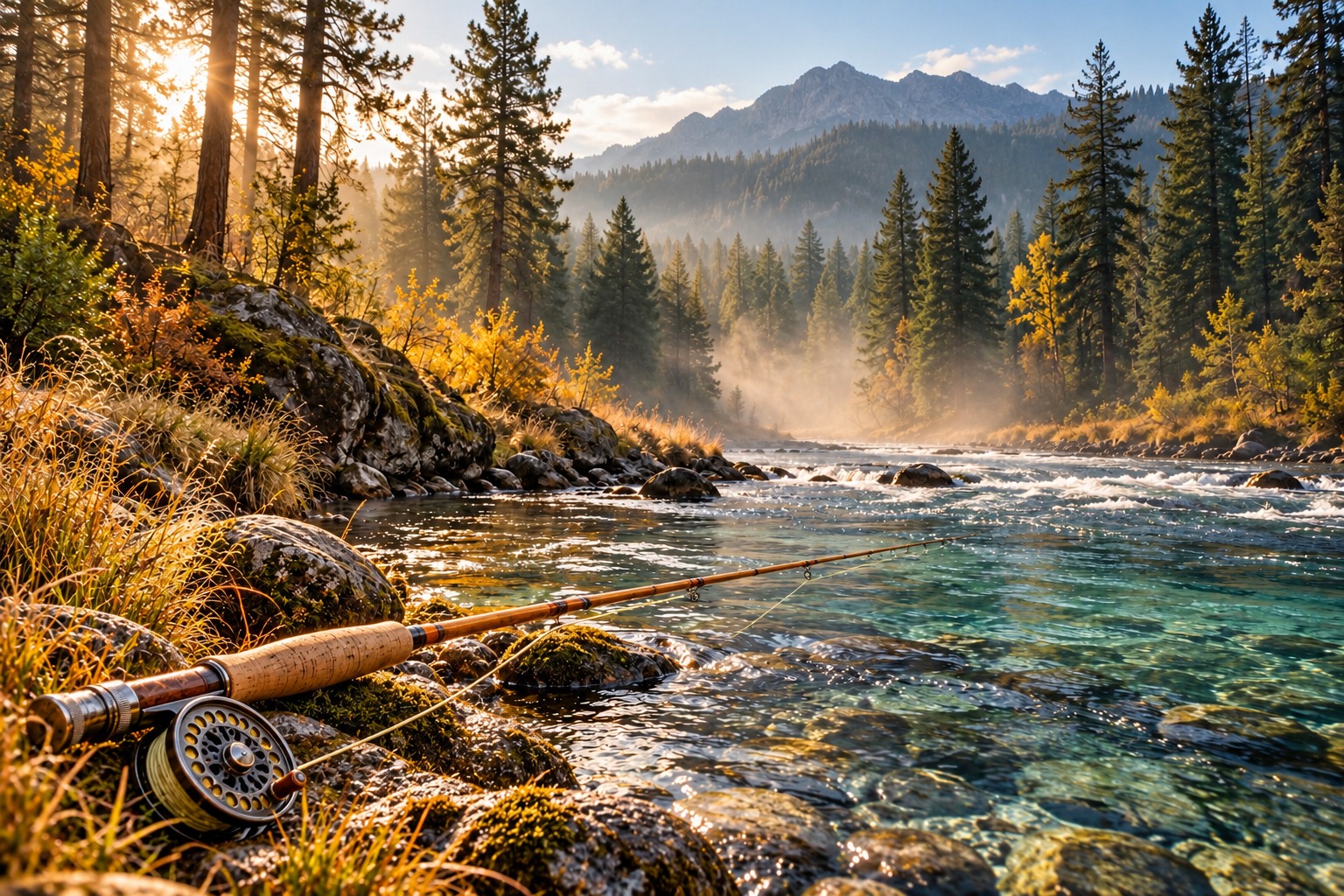
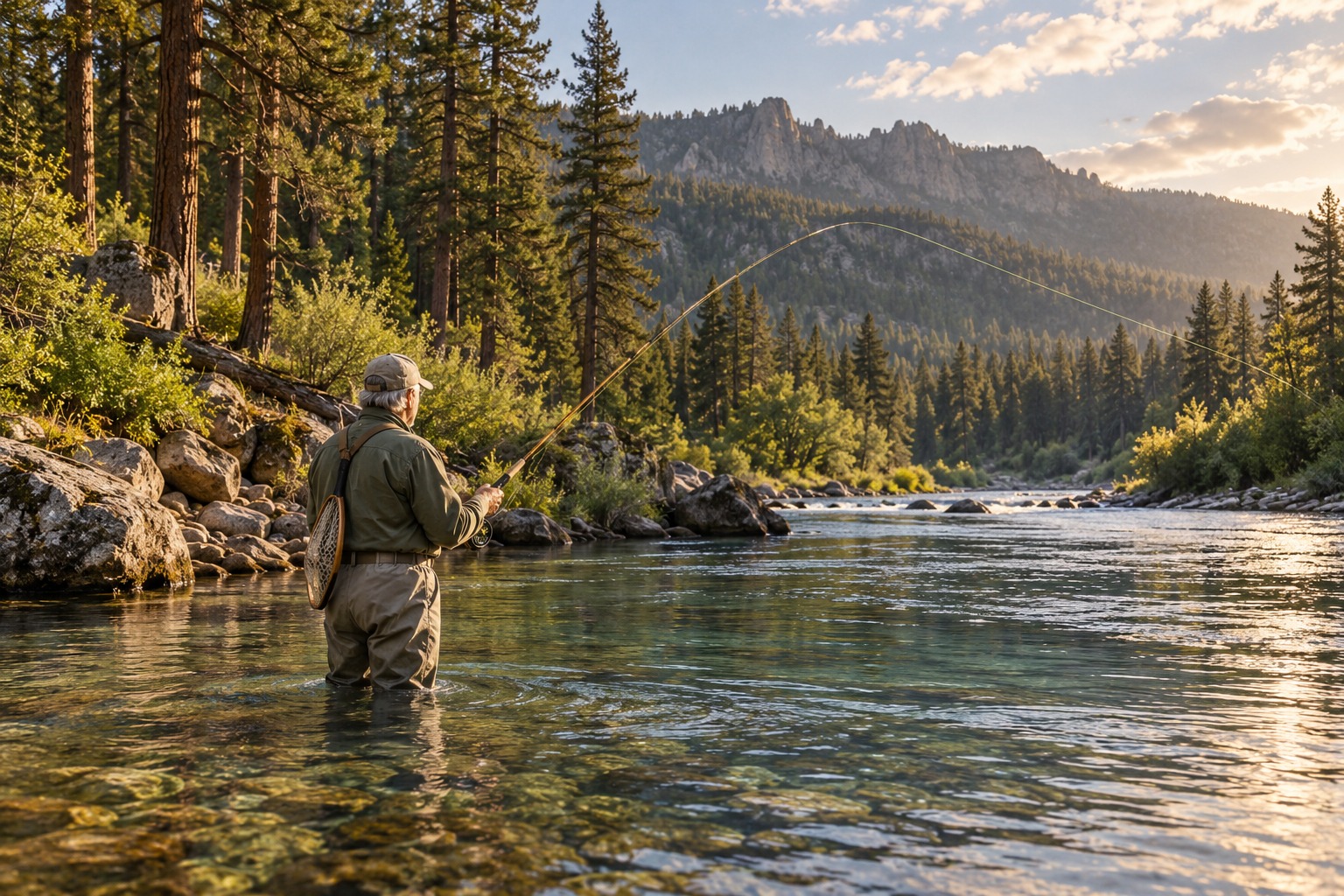
The setting is worth taking time for, too. Beyond Sisters, the Metolius rises from springs on the eastern side of the Cascades and runs through a forested valley. The federal Wild and Scenic Rivers program describes its clear, cold water and old-growth ponderosa pines. Those are good reasons to visit even while you are still figuring out what to do with a fly rod.
There is plenty to practice before you ever catch a fish. Learning to move the line, feel the rod bend and give a cast enough time takes attention. For someone who has spent years being the person with the answers at work or at home, a lesson offers a chance to ask questions again. You can show up, listen and work on one thing at a time.
Dozer has been learning about fishing for most of his life. On his BambooPursuits website, he recalls fishing with his father at three, handling his first fly rod at about eight and building graphite rods in his twenties. His interest in bamboo came later, when a friend handed him a Leonard Duracane. Trying that rod opened up another part of a sport he already knew.
A different kind of next chapter
Dave and Mary Ann Dozer also have a story worth considering as we make plans for the years ahead. The University of Oregon's Oregon Folklife Network describes them as former engineers who moved into fly-fishing work in Sisters after decades in engineering. Dave builds the rods. Mary Ann teaches casting and guides anglers. Between them, they help people choose an instrument and learn how to use it.
Their change of direction gives us something useful to think about. Many of us reach this part of life with skills we have spent decades developing, along with interests that have had to wait their turn. The Dozers brought their experience into work they cared about and continued learning along the way. A next chapter can still ask something of us and give us plenty to look forward to.
Dozer uses Tonkin bamboo and fine silk thread for the wraps. He turns the wooden reel seats on a lathe in his shop, choosing different woods and wrap colors for individual rods. The reel seat is the fitting that holds the reel in place, so even a small wooden part has a job to do. His four single-hand rod series offer different actions, including medium-action designs and rods intended for wind and larger flies.
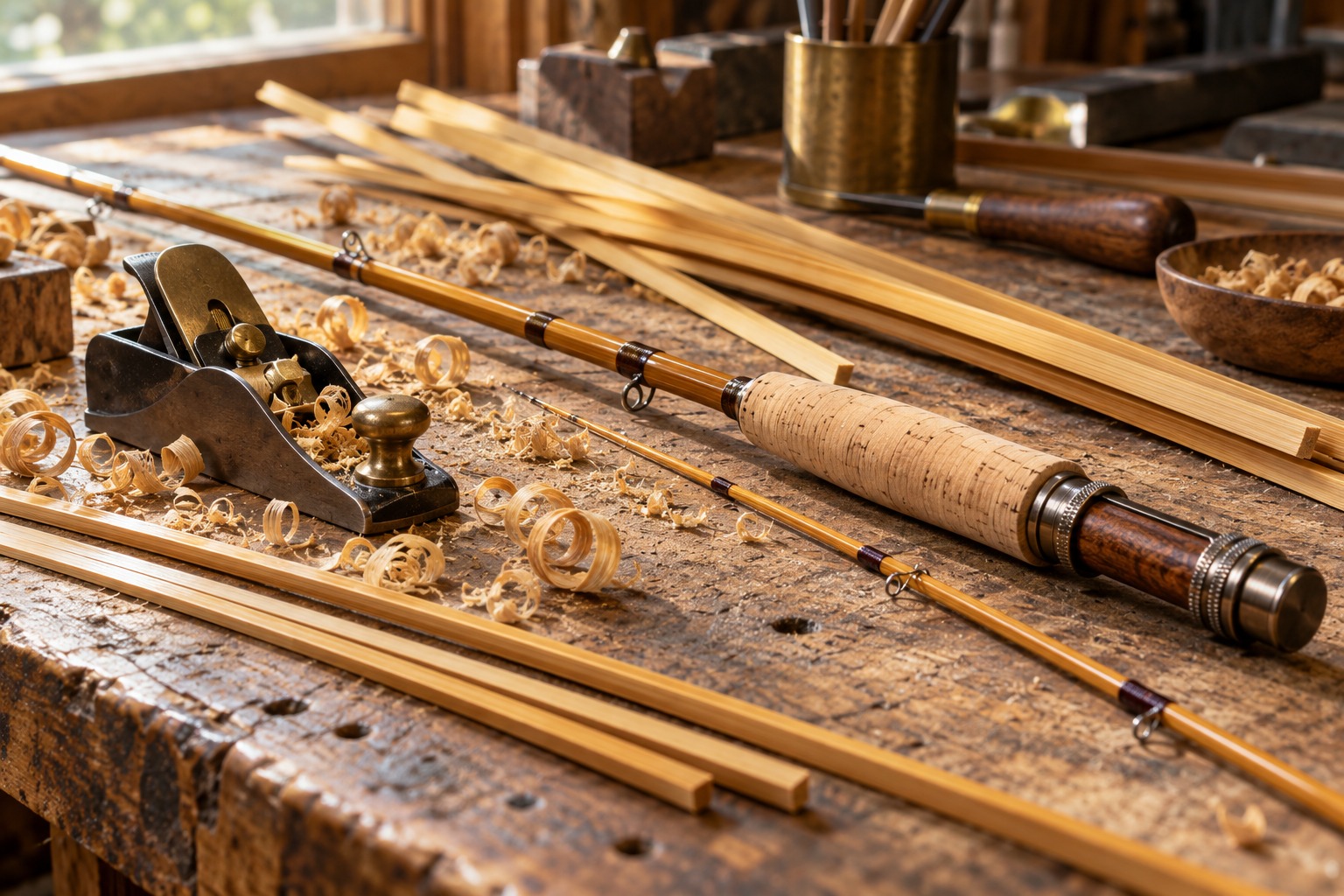
You can appreciate those details in a photograph, but you have to cast a rod to find out how it feels. How does it respond to your timing? How does it move the line? Those are useful questions to bring to someone who can help you choose a rod and get started. There is room to enjoy the craftsmanship while learning what works for you.
That willingness to help someone get started runs through another part of Dozer's work. Rod maker Olivia Elia describes asking him about an apprenticeship and receiving an encouraging response. In September 2020, she spent ten working days learning at his home. Her account describes being able to ask questions without embarrassment, a detail that will sound familiar to anyone who has worried about being the beginner in the room.
The instruction began with a look at her casting. Before she learned how to build a rod, there was a conversation about how she used one. By April 2025, Fin & Fire's podcast described Dozer and Elia as sharing a workspace and ideas while making rods with their own identities. What began with a question had grown into an ongoing working relationship.
Mary Ann has helped make room for more people on the water as well. The Oregon Folklife Network describes her work organizing opportunities for women to fish and share skills. Having someone explain a technique, answer a question and encourage another try can make a first lesson much easier. It can also give an experienced angler a reason to keep learning.
Room for the next cast
For anyone approaching sixty or already beyond it, the first step can be a lesson or a conversation. You can ask an instructor what you need, find out where beginners can learn and set aside time to give it a try. There is no requirement to arrive knowing the right terms or owning a handmade rod. Everyone who knows how to cast once had to learn.
Getting to know the river is part of that learning. The Metolius received its federal Wild and Scenic designation in 1988, covering the reach from the Deschutes National Forest boundary to Lake Billy Chinook. Its importance includes ecology and tribal traditions as well as recreation. Take time to learn about the place you are visiting and check the current fishing rules before heading onto the water.
A morning on a river might leave you with a better cast, a few questions for your next lesson and a place you want to see again. That is enough reason to make room for it. On the Journey to 60 and beyond, there are still interests to follow and people to learn from. A river and a rod offer one place to start.
Sources & further reading
Dave Dozer background and early fishing · Rod materials and product approach · Documented 2013 construction sequence · Engineering careers and casting instruction · Olivia Elia firsthand apprenticeship account · 2025 podcast description of shared craft · Metolius geography designation and values
Original Pacific44 Journal feature, researched from published primary sources. The three images are original AI-generated editorial illustrations; they do not depict Dave Dozer, his workshop or a documented fishing trip.
Image
Gallery.


Join the Journey!
Stories, places, music, ideas & inspiration for the journey to 60 and beyond — delivered from Pacific44.

Explore
Related posts.

Follow the
Journey.
@pacific44_lifestyle